 Harden Elkington
Hey — listen up: behavior problems in childhood are way more common than most people think, affecting millions of kids and teens — nearly 20% of U.S. kids ages 3–17 have a mental, emotional, developmental, or behavioral disorder.
Imagine a classmate who can’t sit still, or a friend who explodes over tiny things — that’s not just “bad” behavior, it can be a real condition with causes like biology, stress, or family and school pressures.
The good news: research-backed treatments — therapy, school support, and sometimes medication — help a lot.
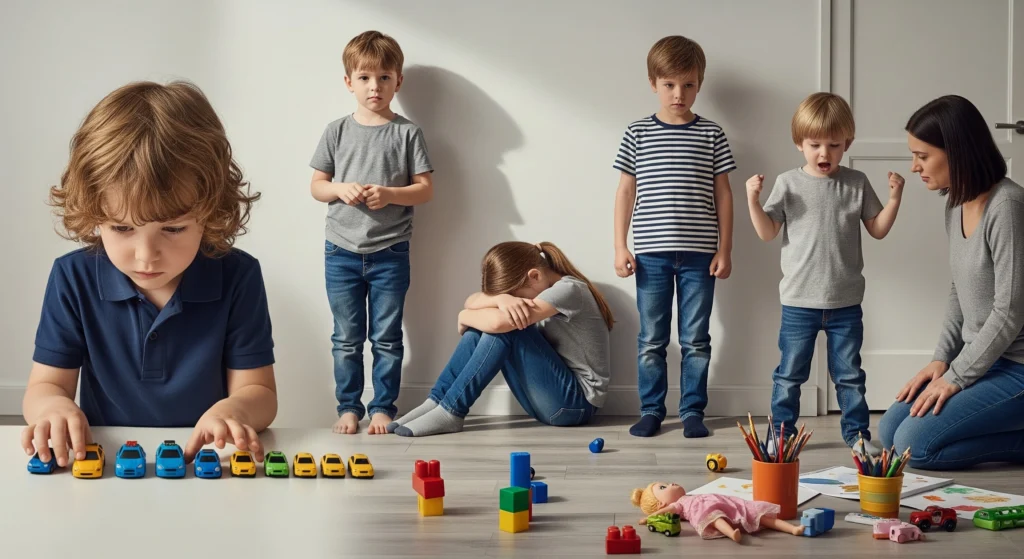
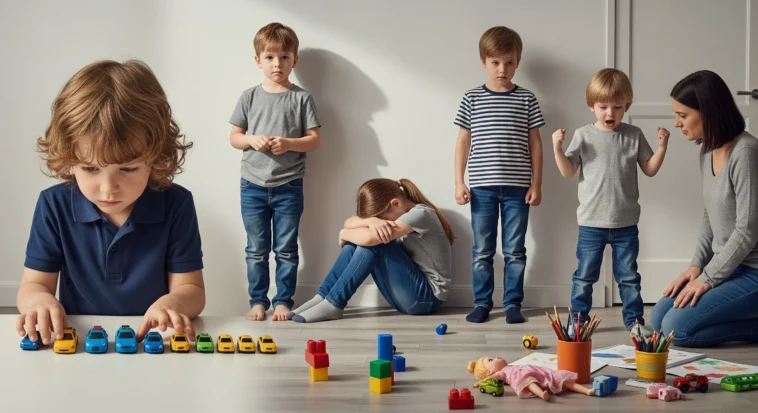
Common Types of Childhood Behavior Disorders
Not every kid who gets in trouble or has a meltdown is just being “bad.” Sometimes, there’s an actual condition behind it.
Knowing the different types of behavior disorders helps us spot them early and get real support. Let’s break it down in plain English:
Attention-Deficit/Hyperactivity Disorder (ADHD)
ADHD is super common — you probably know someone with it (or maybe it’s you).
Think of it like having a brain that’s always buzzing with 100 tabs open.
Kids with ADHD might:
- Zone out in class or during homework
- Forget what they were just told
- Get in trouble for moving around when everyone else is sitting still
- Start assignments but never finish them (hello, messy desk!)
- Struggle with remembering daily stuff — like bringing their PE shoes or turning in homework
Oppositional Defiant Disorder (ODD)
This isn’t just the usual “ugh, I don’t wanna” attitude. With ODD, kids push back hard against rules and authority — like every argument is a hill worth dying on. Picture a kid who:
- Blows up with frequent tantrums
- Annoys people on purpose (yep, just to get a reaction)
- Always blames someone else for what they did
- Snaps back easily or seems constantly irritated
- Argues endlessly with adults and flat-out refuses to follow directions
Conduct Disorder (CD)
This one’s more serious, and it’s tough on everyone involved. Kids with CD don’t just break rules — they cross lines that hurt others or society. Signs can look like:
- Picking fights or being aggressive with people or even animals
- Breaking or destroying stuff that isn’t theirs
- Lying or stealing and not feeling bad about it
- Ignoring big rules — like skipping school or sneaking out at night
- Showing zero empathy when someone else gets hurt
Disruptive Mood Dysregulation Disorder (DMDD)
Imagine someone who seems to always be on the edge of exploding.
With DMDD, it’s not just a “bad mood” — it’s giant, scary meltdowns over things that might seem small.
And even between outbursts, the kid is usually cranky, irritable, or angry most of the day.
Prevalence and Statistics
According to the CDC, about 8% of kids ages 3–17 have been officially diagnosed with a behavior disorder.
To put it simply: in a class of 25, that’s probably 2 kids dealing with this — and maybe no one even knows.
Boys get diagnosed more often (10%) than girls (5%).
Now, zoom out a bit. When researchers look at all mental health stuff in young people, here’s what they found: anxiety tops the list — around 16% of kids and teens struggle with it.
Depression comes next at about 8%, and then behavior/conduct problems at 6.3%.
Girls are more likely to be diagnosed with anxiety and depression, while boys are more likely to get tagged with behavior or conduct issues.
Here’s the deal: this isn’t some rare thing lurking in the shadows—it’s all around us.
Maybe it’s that classmate who keeps missing days, or your friend who cracks a joke about being “so stressed” but is clearly running on zero sleep. That’s why it actually matters to pay attention.
If we spot these things early and open up about them, kids and teens can get the real support they need. Nobody should have to deal with this stuff on their own, you know?
Understanding the Causes and Risk Factors
These disorders usually don’t come from one single thing — they’re more like a messy recipe where a bunch of ingredients mix together. Here’s how those ingredients often look:
Biological Factors
- Genetics: If your family’s had mental health stuff in the past, you might be more likely to get it too. It just happens sometimes, right?
- Brain structure and function: Some people’s brains are just built or connected a bit differently. That can mess with how you focus, or deal with your mood.
- Prenatal factors: Stuff that happens before you’re even born can affect how your brain grows. Honestly, those early days make a difference.
- Medical illnesses: Some illnesses or medications can impact behavior as well (consider how sick everyone becomes when they are sick).
Environmental Factors
- Family dynamics: Inconsistent rules, constant fighting at home, or nobody watching what’s going on can make behavior problems more likely.
- Trauma or abuse: Actual trauma (physical, emotional, or sexual) leaves behind scars that typically manifest as behavior problems.
- Socioeconomic stress: Being poor, in constant flux, or growing up in a household where violence is a way of life instills constant stress that wears children down.
- School environment: Being a failure at school, rejected by one’s peers, or getting bullied can lead a child to misbehave.
Psychological Factors
- Temperament: Some children are born more intense, more easily frustrated, or more fearless — that natural temperament counts for a lot.
- Coping skills: Without stress management tools or skills to deal with strong emotions, minor problems become large reactions.
- Learning difficulties: Imagine being asked to read something everyone else gets — frustration from undiagnosed learning issues can look like “bad behavior.”
- Social skills deficits: Trouble making or keeping friends can lead to isolation, acting out, or misunderstood behavior.
Recognizing the Warning Signs
Here’s the thing: spotting behavior disorders early can make a huge difference.
The signs don’t always scream “something’s wrong” — sometimes they look like regular struggles, just turned up to the extreme.
Here’s what to watch out for:
Academic and School-Related Signs
- Grades suddenly tanking, even though the kid used to do fine
- Teachers constantly calling home or writing notes about behavior
- Homework turning into a nightly battlefield — or never getting done at all
- Struggling to make or keep friends, feeling left out at lunch or recess
- Getting suspended or sent to the principal’s office way too often
Behavioral Indicators at Home
- Acting like house rules don’t exist — no matter how many times they’re explained
- Meltdowns or tantrums way beyond what’s normal for their age
- Picking fights with siblings, yelling at parents, or even being rough with pets
- Breaking or destroying stuff when mad (and not seeming to care)
- Lying or sneaking things — and it keeps happening, even after consequences
Emotional and Social Red Flags
- Not showing guilt or empathy when someone gets hurt — like it just doesn’t register
- Friendships never lasting long, or avoiding social stuff altogether
- Wild mood swings, going from calm to exploding in minutes
- Pulling away from family time, always staying in their room
- Seeming constantly sad, nervous, or irritated, even when things are “fine”
Evidence-Based Treatment Approaches
Research shows that about two-thirds of kids improve a lot with proven treatments — and the success rate is just as strong for other behavior issues if the right steps are taken.
Let’s break down what that help can look like:
Behavioral Interventions
- Parent Management Training: Not as cool as it sounds but effective. The parents are taught to manage behavior without endless yelling and punishment.
- Cognitive Behavioral Therapy (CBT): This is like brain training. It helps kids and teens catch negative thoughts (“I’ll never be good at this”) and flip them into more helpful ones.
Family-Based Interventions
- Family Therapy: Sometimes the problem isn’t just in the kid Family therapy helps with communication, cutting down on fights, and building teamwork at home.
- Multisystemic Therapy (MST): This one’s hardcore. It doesn’t just help at home — it gets involved in school and the community too.
School-Based Support
Teachers and schools can play a huge role here. Support might look like:
- Special plans (IEPs or 504s) that adjust learning to fit the kid’s needs
- Behavior plans that reward progress instead of just punishing mistakes
- Social skills groups to practice friendship stuff in a safe way
- Extra academic help so frustration doesn’t turn into acting out
Medication Considerations
Medication isn’t always needed, but for some kids — especially with ADHD — it can make a massive difference. The key is: it’s never a quick fix. It has to be part of a bigger plan, with doctors, parents, and therapists all working together.
Long-Term Outlook and Prevention
With the right help, kids with behavior disorders can learn real skills and go on to live satisfying lives — yes, really.
Prevention Strategies
- Not everything is preventable, but some actions cut the risk a lot. Picture your school or community doing these things and how much easier life would be for a lot of kids:
- Promoting positive parenting practices and stronger family connections — consistent rules, real support, and praise for progress.
- Making quality early childhood education available so kids get help before problems get big.
- Tackling social determinants of health — fixing issues like poverty and unstable housing that create constant stress.
- Offering trauma-informed care so kids who’ve been through bad stuff get safe, understanding support.
- Running school programs that teach social-emotional skills — stuff like managing emotions, solving problems, and getting along with others.
Preparing for Adulthood
Growing up with a behavior disorder doesn’t have to limit your future. The focus should shift toward practical life skills and supports that work in the real world:
- Skill building of independent living skills — such as budgeting, cooking, and time management.
- Career training and real career planning so skills equal work, not fantasies.
- Skill building of healthy relationship skills — how to communicate, set boundaries, and remain friends or partnered in health.
- Self-advocacy learning — how to request accommodations or assistance at school or in the workplace.
- Having mental health support available when needed — check-ins, therapy, or meds if they are beneficial.
Conclusion
Listen — childhood behavior disorders are complicated, but they’re not a life sentence.
Think about a kid in your classroom who would meltdown over little things but, through some therapy, was able to learn how to control and get back on track — that kid can be anyone.
Early identification, evidence-based treatments, and regular support from family, school, and clinicians make all the difference.
Requesting assistance isn’t weakness — it’s strength, and the beginning of becoming better.
The right tools and voices in a child’s corner can assist children who struggle these challenges to grow up healthy, able, and ready to succeed.