 Winton Eliott
In a world obsessed with likes, trends, and fitting in, Henry David Thoreau feels like that one bold friend who says, “Hey… have you tried thinking for yourself?” Over 170 years ago, he stepped away from the noise to ask a simple but rebellious question: What do I actually need to live a good life? His answer—live deliberately, simply, and honestly—hits even harder today, when everyone’s connected yet weirdly lonely.
Understanding Thoreau’s Foundation of Self-Reliance
Thoreau’s idea of self-reliance wasn’t about becoming a lone wolf in the woods or rejecting money entirely. It was about not letting society run your brain.
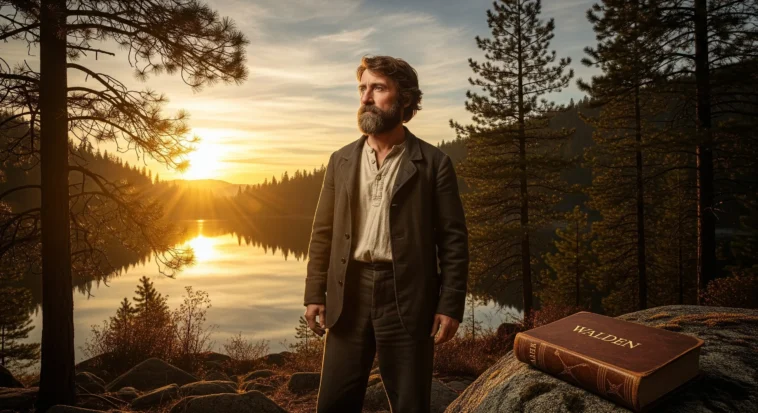
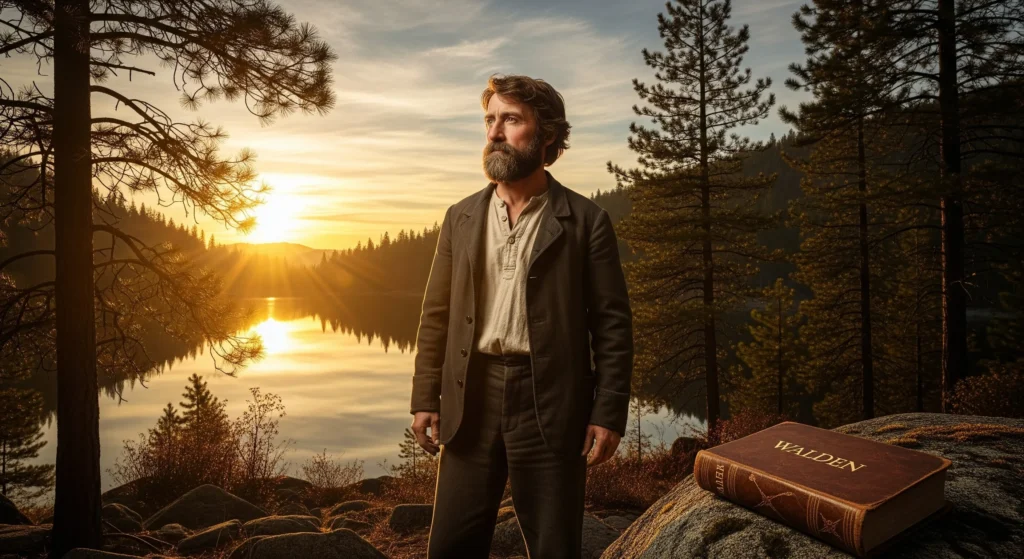
When he lived by Walden Pond for two years, he wasn’t hiding—he was experimenting. Think of it like a real-life reset button. He wanted to see who he was without the pressure to impress, compete, or consume nonstop.
Thoreau famously said most people live in “quiet desperation,” which is a fancy way of saying: stuck doing things they don’t care about because everyone else is doing them.
Sound familiar? His message was simple but brave—question the script, trust your inner voice, live with fewer distractions, and choose what actually matters. Not because it’s popular, but because it’s yours.
The Economic Dimension: Simplicity as Liberation
Thoreau had a wild idea that still feels rebellious today: if you want freedom, want less.
He built his tiny cabin for about the price of a cheap smartphone and proved you don’t need to grind forever just to survive.
His point wasn’t “money is evil,” but “why are you buying stuff you don’t even care about?” He believed real wealth is being able to ignore things you don’t need—like trends, gadgets, and the pressure to keep up.
Imagine working less, stressing less, and actually having time to read, think, or just breathe. That’s the freedom Thoreau was chasing, and honestly? It still sounds like a cheat code.
Intellectual Independence: Thinking for Yourself
Thoreau didn’t just want you to live simply—he wanted you to think boldly. He warned against blindly believing headlines, trends, or popular opinions (basically, 1800s version of “don’t believe everything on your feed”).
Instead, he trusted firsthand experience. Go outside. Pay attention. Ask questions. Make up your own mind.
While everyone else was following the crowd, Thoreau was out there watching seasons change and learning directly from the world.
In today’s algorithm-filled, opinion-packed internet life, his message is huge: don’t let others do your thinking for you. Curiosity, skepticism, and courage—that’s real independence.
Moral Courage: The Ethics of Resistance
Thoreau didn’t just think about doing the right thing—he actually did it, even when it got him thrown in jail. Seriously.
He refused to pay taxes because they supported slavery and war, and he was like, “Nope, my conscience comes first.”
That idea—standing up for what’s right even when it’s uncomfortable—ended up inspiring legends like Gandhi and Martin Luther King Jr.
Thoreau believed real independence means having the guts to say no when something feels wrong, even if everyone else says it’s “normal.” It’s not about breaking rules for fun—it’s about having a moral spine.
Nature as Teacher and Mirror
For Thoreau, nature wasn’t just pretty—it was like the world’s wisest teacher. When he spent time at Walden Pond, he wasn’t escaping life; he was finally paying attention to it.
Watching trees, animals, and seasons helped him understand himself better. No notifications. No noise. Just clarity.
Today, we spend almost all our time indoors, staring at screens, and wonder why we’re stressed.
Thoreau figured this out early: nature calms your mind, sparks creativity, and reminds you what actually matters. Sometimes, the best way to find yourself is to go outside and shut up for a while.
Applying Thoreau’s Self-Reliance Today
You don’t need to run off to the woods or build a cabin to live like Thoreau. Relax. The goal isn’t cosplay—it’s mindset. Thoreau’s real challenge to us is this: stop living on autopilot. Start choosing your life on purpose, even in a noisy, hyper-connected world.
Examining Your Dependencies
Ask yourself some slightly uncomfortable questions: What do I need approval for? Likes? Grades? Brand names? Stuff? Thoreau would say, “Notice what owns you.”
Even tiny steps—learning to cook one meal, growing a plant, fixing something instead of replacing it—can make you feel more capable and in control. Independence starts small.
Cultivate Intellectual Independence
Don’t let the internet do your thinking for you. Read widely. Get curious. Question headlines, trends, and “everyone says” opinions.
Thoreau trusted firsthand experience more than popular opinion—and honestly, that’s a survival skill today. Think of your brain as a muscle: if you don’t use it, someone else will.
Practice Economic Simplicity
Before buying something, pause and ask: “Do I actually need this, or did an ad just mess with my emotions?”
Thoreau believed freedom comes from wanting less, not earning more. Funny enough, people who buy less junk usually enjoy what they do buy way more. Less clutter, more peace.
Develop Practical Skills
Learn how to do things. Cook. Grow something. Fix basic stuff. Create instead of just consuming.
Every new skill is like unlocking a power-up in a game—it makes you less dependent and more confident. Thoreau knew this: the more you can do for yourself, the freer you become.
Conclusion: The Enduring Relevance of Thoreau’s Vision
Thoreau isn’t just some old guy who liked ponds—he’s basically asking you one powerful question: Are you living your own life, or someone else’s version of it? His idea of self-reliance still works because the problems are the same—money stress, information overload, pressure to fit in—just louder now.
He’s not telling you to ditch society or smash your phone. He’s saying: use things on your terms. Choose what matters. Ignore the rest. Thoreau proved that when you strip away the junk—distractions, fake goals, endless wanting—you find clarity, freedom, and purpose.