 Harden Elkington
The stroke of midnight on December 31st has always felt magical—like the world hits a reset button at the same time.
But here’s the twist: the way we celebrate New Year’s is changing fast. Thanks to tech, climate awareness, and shifting values, New Year’s Eve today looks very different from what your parents grew up with. And honestly? It’s kind of awesome.
Understanding these changes matters—not just for businesses or event planners, but for anyone who wants to connect with people today while still keeping that New Year’s magic alive.
The Rise of Virtual and Hybrid Celebrations
Let’s talk about the pandemic for a second (yeah, I know—flashbacks). It forced people to celebrate online, but surprise: a lot of us liked it.
Studies show virtual New Year’s celebrations exploded between 2019 and 2021, and even now, they’re not going anywhere.
Why Virtual Celebrations Still Rock:
- Global connection: Cousin in another country? No problem—midnight together on FaceTime.
- Easy access: You can celebrate in pajamas. That alone is a win.
- Cheaper: No travel, no tickets, no “why is this drink $15?” moments.
- Better for the planet: Less travel = less pollution
Big cities caught on too. Times Square now streams the ball drop to millions, and places like Dubai combine massive fireworks with livestreams.
Basically, you can be part of the world’s biggest party without leaving your couch—and still feel the hype.
- Read Also: When Was Thanksgiving First Celebrated? The History of Thanksgiving
- Read Also: Halloween’s Pagan Roots: Uncovering the Ancient Origins
Sustainable and Eco-Conscious Celebrations
Here’s something cool: a lot of people your age and slightly older are basically saying, “Let’s party—but not wreck the planet.”
Environmental awareness is changing New Year’s celebrations in a big way. Studies show most Millennials and Gen Z actually care about celebrating sustainably—and cities are listening.
Key Sustainable Shifts Include:
- Eco-friendly fireworks: Some cities ditched loud, smoky fireworks for drone light shows and lasers. Same wow-factor, way less harm (and no scared pets).
- Zero-waste events: No paper tickets, fewer trash piles, more recycling and composting.
- Local, plant-based food: Less food traveling across the planet, more support for local businesses.
- Smarter decorations: Reusable and biodegradable stuff instead of plastic confetti that lives forever.
Copenhagen even pulled off a carbon-neutral New Year’s celebration. That’s a flex—and now other cities are trying to copy it. Sustainability isn’t “extra” anymore. It’s expected.
Wellness-Focused New Year Experiences
The classic New Year’s idea—staying up all night, drinking too much, and feeling awful the next day—is slowly getting replaced. People are choosing to start the year feeling good, not wrecked.
Emerging Wellness Celebration Trends:
- Sunrise ceremonies: Yoga, meditation, or quiet reflection at dawn instead of midnight chaos.
- Sober celebrations: Mocktails, real conversations, and zero hangovers.
- Retreat-style vibes: Think goal-setting, spas, healthy food, and actually relaxing.
- Nature-based plans: Hiking, beach bonfires, or just being outside when the year changes.
And get this—people who celebrate this way are happier and stick to their New Year’s resolutions more. Turns out starting the year calm, clear, and connected actually works. Who knew?
Personalized and Intimate Gatherings
Here’s a plot twist: bigger doesn’t always mean better. More people are ditching massive New Year’s parties and choosing smaller hangouts with their actual favorite humans.
Think 10–15 people, inside jokes, and no awkward small talk.
Characteristics of This Shift:
- Curated guest lists: Only people you really vibe with—no random plus-ones.
- Fun themes: Murder mysteries, culture nights, or “everyone dresses like it’s 2008” energy.
- Shared traditions: Making time capsules, gratitude circles, or dreaming up future goals together.
- All-ages fun: Kids, parents, grandparents—everyone gets included.
These celebrations feel real. More laughs, more memories, less pretending. It’s about connection, not crowd size.
Technology-Enhanced Traditional Celebrations
Tech isn’t killing traditions—it’s giving them superpowers. Phones, apps, and smart tools are making old-school New Year’s stuff way more interactive.
Innovative Technology Applications:
- AR fireworks: Point your phone at the sky and boom—custom fireworks, no smoke or danger.
- AI goal helpers: Apps that actually help you keep your resolutions (instead of forgetting them by January 10).
- Global countdowns: Celebrate midnight in different countries without leaving your room.
- Digital time capsules: Messages and photos sent to your future self—kind of emotional, honestly.
- Social media magic: Filters, playlists, and hashtags that make everyone feel part of one big moment.
Most event planners now use tech like this, because when tradition and technology team up, New Year’s gets way more fun—and way more you.
Cultural Fusion and Global Influence
New Year’s is no longer just one tradition—it’s like a global remix.
Thanks to travel, the internet, and mixed cultures, people are blending customs from all over the world, and it’s making celebrations way more interesting.
Examples of Cultural Blending:
- Fusion food: Imagine eating Japanese noodles and Spanish grapes at midnight. Why choose?
- Multiple New Years: Some families celebrate January 1 and Lunar New Year or other cultural calendars.
- Borrowed rituals: People everywhere now try things like eating 12 grapes or year-crossing noodles for luck.
- Global music vibes: DJs mixing sounds from different countries into one epic playlist.
It’s not about losing culture—it’s about sharing it. New Year’s becomes a lesson in respect, curiosity, and connection.
The Experience Economy and New Year’s Travel
Here’s the big shift: people would rather do something unforgettable than buy stuff. That’s turned New Year’s into prime travel season.
Popular New Year’s Travel Trends:
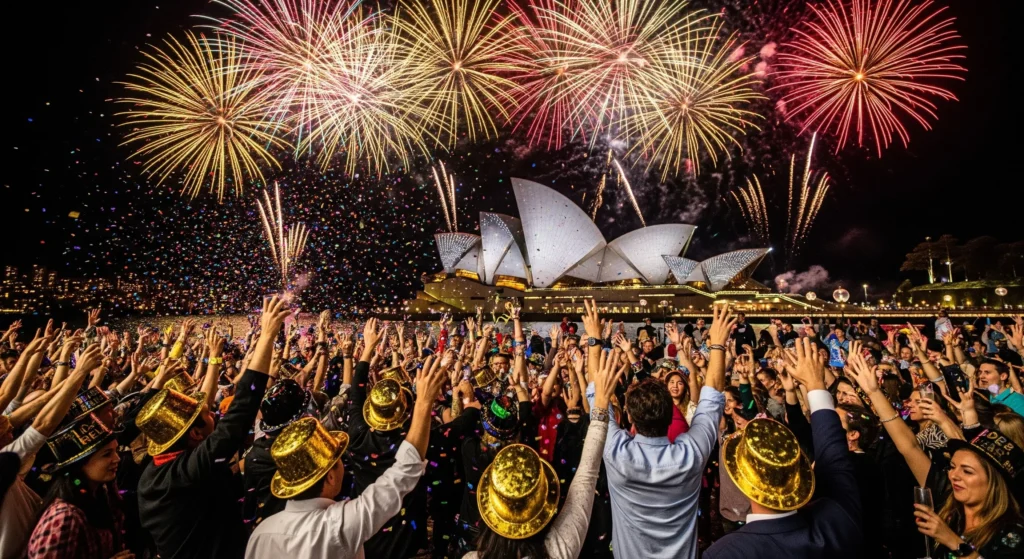
- Bucket-list places: Fireworks in Sydney, Northern Lights in Iceland, beach parties in Brazil.
- Wild adventures: Ringing in the year on a mountain, in the desert, or somewhere freezing on purpose.
- Cultural deep dives: Celebrating New Year’s the way locals do in different countries.
- Party cruises: Multiple destinations, nonstop food, music, and countdowns at sea.
Basically, New Year’s has become a memory-making mission. And for a lot of people, starting the year somewhere new feels like hitting reset on life—in the best way possible.
Implications for Businesses and Marketers
If you’re a brand and you’re still treating New Year’s like it’s 2005… yeah, you’re already behind. People want celebrations that fit their lives now, not one-size-fits-all stuff.
Strategic Considerations:
- Be flexible: Let people choose in-person, virtual, or both.
- Go green (for real): Sustainability isn’t a bonus—it’s a deal-breaker.
- Make it shareable: If it doesn’t look good on a phone screen, it didn’t happen.
- Let people customize: Everyone wants their celebration to feel personal.
- Add wellness: Health, balance, and feeling good matter more than ever.
Brands that get this right see way more engagement and loyalty. Translation: people actually care and come back.
- Read Also: The History of Children’s Bedtime Rituals: A Journey Through Time
- Read Also:7 Historical Hoaxes That Shocked and Fooled the World
Conclusion: Embracing Evolution While Honoring Tradition
Here’s the big truth: New Year’s is changing—but its heart isn’t. We still use it to look back, dream forward, and tell ourselves, “Okay… this year can be different.”
Now we just have more ways to celebrate—quiet or loud, digital or in-person, sober or wild, solo or global. That freedom is powerful.
For people, it means celebrating in ways that actually feel right. For businesses, it means listening instead of guessing. The future of New Year’s isn’t about ditching tradition—it’s about remixing it so it still matters.