 Winton Eliott
In a world where we’re all connected by Wi-Fi but still feel weirdly alone, knowing how to show up for other people actually matters—a lot.
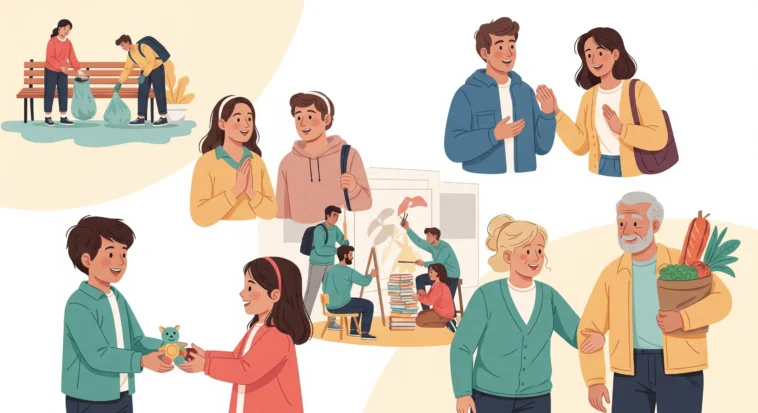
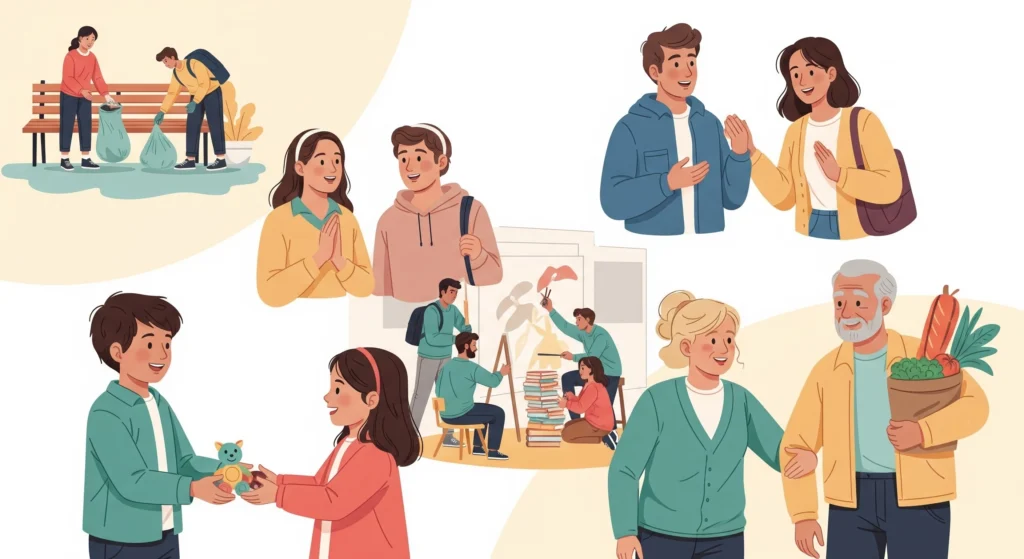
Prosocial behavior skills are the things that help you be a decent human: helping out, sharing, caring, and noticing when someone’s having a rough day.
Whether you’re trying to be a better friend, a future leader, or just someone who doesn’t ignore a dropped pencil in class, these skills can seriously change how people experience you—and how you experience the world.
What Are Prosocial Behavior Skills?
Prosocial behavior skills are the learnable skills that help you do good for others on purpose. Think empathy, teamwork, kindness, and helping without being asked.
It’s more than saying “please” or doing one nice thing and calling it a day—it’s about building habits that make people feel seen, supported, and safe.
Basically, they’re the skills that turn “nice intentions” into real-life impact.
At their core, prosocial behavior skills include:
- Empathy and perspective-taking: The ability to understand and share the feelings of others, recognizing their emotions and viewpoints even when they differ from your own.
- Cooperation and teamwork: Working effectively with others toward shared goals, balancing individual needs with collective objectives.
- Sharing and generosity: Willingly distributing resources, time, or knowledge with others, often without expectation of immediate return.
- Helping and caregiving: Recognizing when others need assistance and taking action to provide support, whether through physical help, emotional support, or practical solutions.
- Communication and active listening: Engaging in meaningful dialogue that values others’ contributions and demonstrates genuine interest in their experiences.
Research published in the journal Developmental Psychology demonstrates that prosocial behaviors are not merely innate traits but learned skills that can be developed and strengthened throughout life.
This means that regardless of your starting point, you have the capacity to enhance these abilities through intentional practice and reflection.
The Science Behind Prosocial Behavior
Here’s the cool part: being kind literally rewires your brain. When you help someone—like standing up for a friend or helping a classmate understand homework—your brain lights up its reward system.
Scientists call it the “helper’s high,” and yeah, it’s real. Your brain goes, Nice move. Let’s do that again.
Studies from the University of California, Berkeley’s Greater Good Science Center have shown that prosocial behavior contributes to:
- Improved mental health and reduced symptoms of depression and anxiety
- Enhanced physical health, including lower blood pressure and stronger immune function
- Increased life satisfaction and overall happiness
- Stronger social connections and reduced feelings of loneliness
- Greater resilience in the face of stress and adversity
And here’s the wild bonus: kindness spreads. When people see you do something good, they’re more likely to do it too—like a positivity chain reaction.
So when you build prosocial skills, you’re not just helping yourself or one person. You’re quietly making the world around you better, one small action at a time.
Core Prosocial Behavior Skills and How to Develop Them
1. Empathy
Empathy is basically your social superpower. It’s not just knowing how someone feels—it’s actually feeling it with them.
Like when your friend bombs a test and you don’t say, “Well, I did fine,” but instead think, Oof, that hurts.
How to Develop Empathy:
To build empathy, start small. Watch people. Notice their faces, their tone, their vibe. When someone talks, don’t jump in with advice like you’re a life coach—just listen.
A weirdly powerful trick? Read stories or watch documentaries. Stepping into someone else’s world (even fictional ones) trains your brain to understand real people better.
And when you catch yourself judging someone, hit pause and ask: What might be going on in their life that I can’t see? That question alone can change everything.
2. Effective Communication: Building Bridges
Good communication isn’t about winning arguments—it’s about actually connecting. That means talking clearly and listening like it matters (because it does).
Ever had someone repeat back what you said and nail it? Feels good, right? That’s reflective listening, and it works.
How to develop communication skills:
Try using “I” statements instead of blame bombs. Saying “I feel ignored” lands way better than “You never listen.”
Also, being assertive doesn’t mean being loud or rude—it means saying what you need without stepping on someone else.
Think confident, not aggressive. Master this, and you’ll avoid a lot of drama—trust me.
3. Cooperation: Achieving Together
Cooperation is learning how to win with people, not over them. Think group projects—when everyone actually pulls their weight, magic happens.
It starts with finding common ground, even when you disagree. You don’t have to get your way every time, and neither does everyone else. The goal is solving the problem, not being the hero.
How to develop cooperation skills:
Try celebrating your teammates’ wins like they’re your own. It sounds cheesy, but teams that hype each other up do way better than ones full of “main characters.”
4. Helping Behavior: Taking Action
Helping isn’t about grand gestures—it’s about noticing. Like seeing someone struggling with books and just… helping.
Most people don’t step in because they’re unsure, not because they’re heartless. When in doubt, ask, “Hey, do you need help?” That one sentence can change someone’s whole day.
How to develop helping behavior:
Also, the more useful skills you have—first aid, listening, problem-solving—the easier it becomes to actually help when it counts.
5. Gratitude and Appreciation: Recognizing Goodness
Gratitude is social glue. Saying “thanks” in a real, specific way makes people feel seen—and guess what? They’re more likely to keep being awesome.
Instead of a quick “thx,” try explaining why you’re grateful. It hits different.
How to develop gratitude practices:
Make appreciation a habit—at dinner, in class, with friends. When people regularly feel appreciated, kindness stops being rare and starts feeling normal.
Prosocial Skills Across the Lifespan
Childhood: Building the Foundation
Believe it or not, humans start being helpful super early—toddlers will literally try to help before they can talk properly. But those instincts need practice.
When kids see adults sharing, helping, and talking about feelings, they copy it. Simple stuff like team games, saying “thank you,” and praising kindness helps wire prosocial behavior into their brains for life.
Adolescence: Expanding Circles
This is where you are now—and it’s a big deal. Teens start caring about more than just family and close friends.
Volunteering, standing up for others, or being part of a cause helps shape who you become. Studies show teens who help others feel more confident, less stressed, and even do better in school. Turns out doing good feels good.
Adulthood: Integration and Impact
As adults, these skills don’t disappear—they level up. Being kind, cooperative, and emotionally smart actually helps people succeed at work, in relationships, and in their communities.
And the best part? Prosocial skills aren’t “locked in.” People keep growing them through practice, feedback, and showing up for others—no matter their age.
Overcoming Barriers to Prosocial Behavior
Life gets hectic, people get nervous, and sometimes kindness feels like one more thing on the to-do list. But tiny acts count — and most barriers have simple fixes.
Time Constraints and Overwhelm
You don’t need to solve the world. Even a two-minute favor (helping pick up spilled books, sending a quick supportive text) matters and won’t burn you out. Start tiny and build up.
Social Anxiety and Fear of Rejection
Worrying about being judged is normal. Think of helping like asking to borrow a pen — low stakes. Practice small offers (“Want a hand?”) and you’ll get more confident fast.
Cultural and Individual Differences
Not everyone wants the same help. Instead of guessing, ask: “Would this help you?” That shows respect and actually works better.
Compassion Fatigue
People who help a lot can run out of energy. Boundaries, rest, and asking for support aren’t selfish — they’re survival. Take care of yourself so you can keep caring for others.
Creating Prosocial Environments
Big change happens when places—schools, teams, workplaces—make kindness the norm.
Set values that reward cooperation, teach people how to listen and help, design systems that encourage teamwork (not only competition), and celebrate small acts of kindness out loud.
When groups practice this, people stay happier, less lonely, and actually get more done.
Measuring Your Prosocial Growth
If you want to get better at being kind, don’t just hope it’s happening—track it.
Try a simple journal where you jot down moments you helped, listened well, or worked as a team (even small wins count).
Look back each week and notice patterns—what felt easy, what felt awkward, what you want to improve.
Ask people you trust what they’ve noticed. Friends and family often spot changes before you do. And set clear, doable goals—like helping one person a day or really listening without interrupting.
Specific goals work way better than “I’ll just be nicer.”
Conclusion: The Transformative Power of Prosocial Skills
Prosocial skills aren’t just “nice.” They’re life skills. Empathy, cooperation, communication, helping, gratitude—these are what make relationships stronger and communities healthier.
And the best part? Your brain gets better at them the more you practice.
Every time you choose kindness over being cold, helping over scrolling, or listening over talking, you’re training yourself to become that kind of person naturally.
You don’t need to be perfect—progress is the win. Small acts matter more than you think, and their ripple effects go way further than you’ll ever see.