 Winton Eliott
Ever seen a super-smart kid fail a simple assignment and thought, “Wait… what just happened?” Or maybe you’ve watched an adult freeze at something you find easy. That’s often the hidden world of cognitive learning disabilities. They’re real, they’re neurological, and they affect millions—many who don’t even know it. Understanding how these brains work isn’t just important; it’s how we help people unleash the incredible potential they’ve had all along.
What Are Cognitive Learning Disabilities?
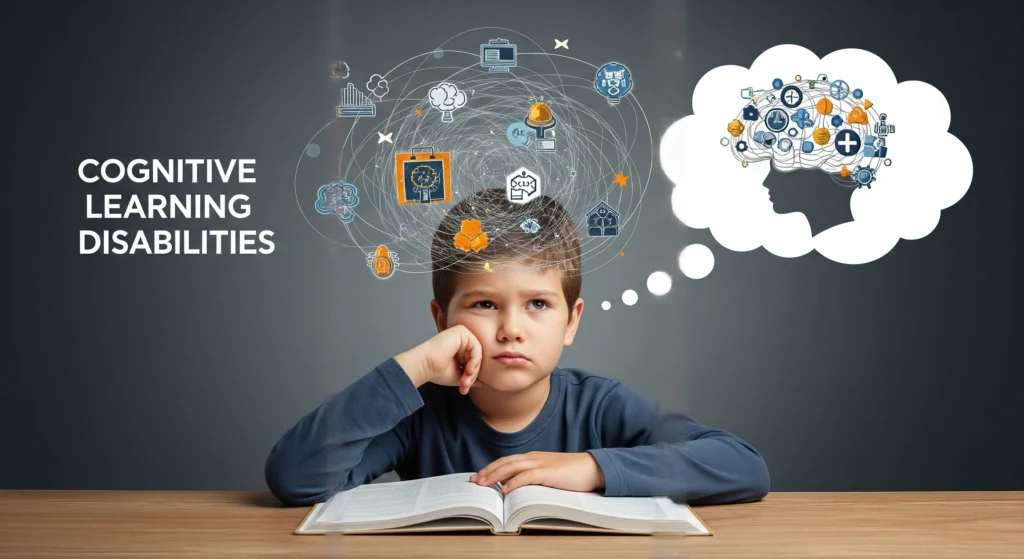
Cognitive learning disabilities are basically brain wiring quirks that make certain tasks—like reading, writing, or math—way harder than they should be, even for super-smart people. Think of it like having a perfectly powerful phone… but with one app that keeps glitching.
Around 1 in 10 people deal with this, so you definitely know someone who does. And no, it doesn’t mean they’re “less intelligent.” It just means their brain processes information differently. Someone can be brilliant at big ideas but still trip over spelling or numbers—and that mismatch can feel confusing or frustrating. Understanding this isn’t just helpful; it’s how we make sure everyone gets the support they deserve to shine.
Common Types of Cognitive Learning Disabilities
Dyslexia: The Reading Challenge
Dyslexia is the most common — about 80% of learning disabilities — and makes reading, spelling, and sometimes speaking feel like reading a scrambled subtitle. You might be brilliant at talking or explaining stuff aloud but watch words on a page turn into slippery fish.
Dyscalculia: Mathematical Processing Difficulties
Affects number sense and math reasoning (around 5–8% of students). It’s like having a calculator with a fuzzy screen — math steps, memory for procedures, and problem-solving can get jumbled even if you’re smart in other areas.
Dysgraphia: Writing and Fine Motor Struggles
Makes handwriting, spelling, and getting thoughts onto paper a fight. Think of your brain typing the perfect essay but your hand buffering — messy handwriting, weird pencil grips, and lost ideas are common.
Nonverbal Learning Disabilities
About 5% experience trouble with social cues, visual-spatial stuff, and executive skills. Imagine being awesome at facts but missing the “unspoken rulebook” for faces, directions, or organizing projects.
Attention Deficit Hyperactivity Disorder (ADHD)
Often listed separately, ADHD still seriously affects learning — attention, impulse control, and focus can be unpredictable. Picture your brain as a browser with too many tabs open: great ideas, poor tab management.
Recognizing the Signs and Symptoms
Early Childhood Indicators
Sometimes the first clues show up when a kid is really young. Maybe they take longer to talk, or learning colors and letters feels like trying to memorize a hundred passwords at once. Some kids can’t rhyme to save their life, or they look totally confused when someone gives a simple instruction like “put your shoes by the door.” Even motor skills can lag. It’s not stubbornness or laziness… it’s their brain asking for a different kind of support.
School-Age Warning Signs
Once school starts, the gaps become harder to ignore. A kid might zone out after ten seconds, wiggle like they’re powered by invisible electricity, or take forever to finish something everyone else breezes through. Memory for facts can vanish like soap bubbles. Reading and spelling might feel like decoding a secret language. Abstract ideas? Forget it.
Other signs pop up too: one day they ace an assignment, the next day they can’t remember how to start. They talk like they’re years ahead but hand in messy or unfinished written work. Their backpack becomes a black hole. Social cues don’t land. And anything that requires long focus? They’ll avoid it like it’s cursed.
The Emotional Impact
This part hits the hardest. A kid who keeps struggling starts believing something is wrong with them. They feel slower, smaller, less capable, even when they’re not. That shame follows them from class to lunch to home, and sometimes it leaks out as anger, tears, or behavior adults mislabel as “acting out.” Spotting the emotional fallout early isn’t optional. It’s how you help them feel safe enough to try again.
Understanding the Causes
Cognitive learning disabilities come from real differences in how the brain is built and how it works — not from laziness, bad parenting, or “not trying hard enough.” A bunch of factors can play a role:
Genetic Factors:
Learning disabilities can run in families. If your dad struggles with reading, there’s a decent chance you might too — kind of like inheriting your mom’s smile, but less fun.
Brain Development:
Sometimes the brain wires itself differently in areas that handle language, reasoning, or processing information. It’s not “broken,” just unique, like having a custom-built operating system.
Prenatal and Birth Complications:
Stuff that happens before you’re even born — like exposure to alcohol or toxins — or challenges during birth (premature delivery, low birth weight) can raise the chances of learning difficulties later.
Environmental Factors:
Life after birth matters too. Things like exposure to lead, brain infections, severe stress, trauma, or growing up in environments with very little support can affect how the brain handles tasks like focus, planning, or emotional control. Kids who face serious adversity often struggle with executive function — the brain’s “management skills.”
The Diagnostic Process
- Comprehensive Evaluation: Getting diagnosed isn’t just someone guessing — it’s a detailed process that actually explains what’s going on in your brain.
- Developmental History: Professionals look at your early milestones — when you talked, walked, learned — and your medical and behavior history.
- Cognitive Testing: Standardized tests check your strengths and weaknesses in different thinking skills.
- Academic Assessment: This part looks at your reading, writing, and math skills to pinpoint exactly where the struggle is. No judgment — just clarity.
- Behavioral Observation: Experts watch how you behave in different settings, because environment can totally change how someone learns or focuses.
- Speech and Language Evaluation: If language or sound-processing is tricky, these tests help break down the “why” behind it.
Early diagnosis is a game-changer. The sooner someone figures out what’s really going on, the sooner the right support can kick in — and that can make a massive difference in how confident, capable, and understood a person feels for the rest of their life.
Evidence-Based Treatment Approaches
Educational Interventions
Treatment usually starts with what happens in the classroom. Think of it like building a personalized “learning toolkit” using teaching strategies, therapy, and sometimes medical support to help your brain work with you, not against you.
Individualized Education Programs (IEPs):
In the U.S., students with diagnosed learning disabilities get a customized game plan for school. It’s basically a roadmap that says, “Here’s what this student needs to succeed,” whether that’s extra time, different teaching methods, or special support.
Multi-Sensory Learning:
This is the hands-on, brain-friendly stuff. Instead of just reading a letter, you might feel it, say it, draw it — like tracing an “A” in sand while saying its sound. It’s learning, but with your whole body joining the party.
Specialized Reading Programs:
Programs like PALs or PHAST break reading down into small skills, then teach you step-by-step how to decode words and actually understand what you read. It’s like getting the cheat codes for reading fluency.
Cognitive and Behavioral Strategies
Self-Regulated Strategy Development:
If writing feels like staring at a blank page forever, this method teaches you how to plan, organize, and express ideas clearly. It’s super effective — basically the writing “life hack” you never knew you needed.
Cognitive Strategy Training:
These are mental shortcuts and problem-solving tools to help your brain process information faster. It’s like learning the “pro tips” for school subjects so everything feels less overwhelming.
Executive Function Support:
Planning, organization, time management — all the adulting skills no one tells you about. Helping students build these early means fewer lost assignments, less stress, and more “I’ve got this” moments.
Emerging Technologies and Therapies
Neurofeedback Training:
Imagine a video game controlled by your brainwaves — and as you learn to control the game, your attention and focus improve in real life. Yep, that’s neurofeedback. Studies show it can boost school performance and confidence.
Assistive Technology:
Text-to-speech, audiobooks, spelling tools, mind-mapping apps — these aren’t “shortcuts,” they’re tools that help your brain show what it can really do. It’s like having a digital superpower to level the playing field.
AI-Powered Platforms:
Modern AI can now adjust lessons to match your learning style. If your brain likes visuals, it gives visuals. If it likes stories, it gives stories. It’s personalized learning on autopilot.
Medical Support
Medication doesn’t “fix” a learning disability, but for some people — especially those with ADHD — stimulants can help attention and focus. Think of it like turning down mental background noise so you can actually benefit from everything else you’re learning.
Supporting Success at Home and School
Creating a Supportive Environment
Home Strategies:
- Establish consistent routines and structure
- Break tasks into smaller, manageable steps
- Provide frequent breaks during homework
- Use visual schedules and checklists
- Celebrate effort and progress, not just outcomes
- Create a quiet, organized workspace
School Accommodations:
- Extended time on tests and assignments
- Access to notes or recordings of lectures
- Use of assistive technology
- Alternative ways to demonstrate knowledge
- Preferential seating to minimize distractions
- Modified assignments that focus on learning objectives
Building Self-Advocacy Skills
Teaching individuals with learning disabilities to understand their challenges and communicate their needs is essential for long-term success. This includes:
- Understanding their specific learning profile
- Knowing what accommodations help them succeed
- Communicating effectively with teachers and employers
- Recognizing their strengths alongside their challenges
- Developing resilience and problem-solving skills
The Importance of Early Intervention
Early help is a total game-changer. The sooner someone gets support, the sooner school stops feeling like a daily boss battle. Your brain is basically in “super-flexible mode” when you’re young, which makes learning new strategies way easier. But don’t worry—brains keep growing and adapting forever, so even adults can level up with the right help.
Looking Forward: Hope and Progress
Having a learning disability doesn’t slam the door on your future—it just means you might take a different route. Tons of insanely successful people had the same struggles and still crushed it by learning how their brains work. And the world is finally catching up: better testing, better tools, more understanding. Honestly? The future looks brighter than ever for anyone who learns differently.
Taking Action: Next Steps
If you suspect you or a loved one may have a cognitive learning disability:
- Seek Professional Evaluation: Contact a psychologist, educational specialist, or learning disability expert for comprehensive assessment.
- Document Concerns: Keep records of specific difficulties, including when they occur and how they impact daily functioning.
- Connect with Resources: Organizations like the Learning Disabilities Association of America provide valuable information and support.
- Build a Support Team: Work with educators, therapists, and healthcare providers to develop a comprehensive support plan.
- Focus on Strengths: While addressing challenges is important, identifying and nurturing strengths builds confidence and resilience.
- Educate Yourself and Others: Understanding learning disabilities helps reduce stigma and promotes effective advocacy.
Conclusion
Cognitive learning disabilities stick around for life, but they don’t get to decide your future. With the right help and the right strategies, people with learning differences do more than just “get by”—they thrive. Seriously, plenty of successful creators, scientists, and leaders had the same struggles you might be imagining right now.