 Winton Eliott
The term “neurotypical brain” comes up a lot when people talk about mental health, learning differences, and how humans think. But what does it actually mean—and why should you care?
Think of it like this: brains are like operating systems. Most people run the “default” version, but plenty of others run different (and just as valid) versions.
Understanding this helps us be kinder, smarter, and more inclusive—at school, at work, and in everyday life.
What Is a Neurotypical Brain?
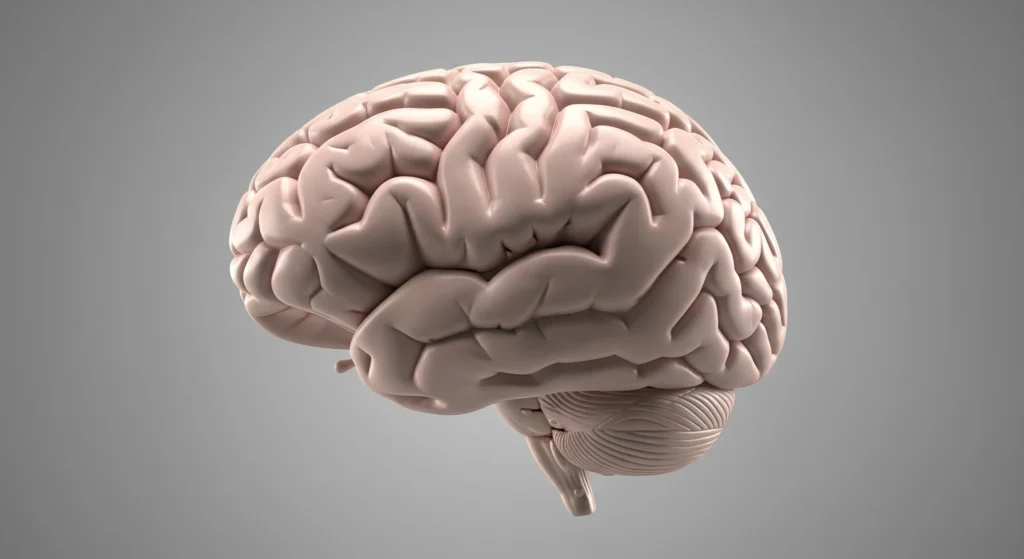
A neurotypical brain is a brain that develops and works in ways society considers “typical.” In other words, it follows the most common patterns doctors and researchers see.
People with neurotypical brains usually:
- Learn in standard classroom settings without extra support
- Pick up social rules naturally (like reading facial expressions or tone)
- Don’t have diagnoses like autism, ADHD, or dyslexia
Here’s the important part: neurotypical doesn’t mean “better.” It just means “most common.”
The word came from the neurodiversity movement, which says something powerful: human brains are naturally different. Some brains sprint, some wander, some hyperfocus, some daydream—and all of them belong.
So neurotypicality isn’t a gold medal. It’s just one way a brain can be wired. And understanding that? That’s how we build a world where everyone gets a fair shot.
Key Characteristics of Neurotypical Brain Function
Let’s break this down like I’m explaining it to you in a hallway between classes—no textbooks, no boredom
Cognitive Processing
A neurotypical brain usually handles school and daily life the way the system expects it to.
Switching between homework, texts, and chores? Annoying—but doable.
Focus lasts about as long as teachers expect, and loud classrooms don’t instantly short-circuit the brain.
Planning, organizing, and stopping yourself from doing something impulsive (most of the time) develop on a pretty normal timeline.
Social Communication
This is where neurotypical brains often shine. They “just get” social stuff—facial expressions, sarcasm, awkward pauses, and when to stop talking (we all know that one kid who doesn’t).
Conversations feel natural, not like a puzzle, and reading the room happens without much effort.
Sensory Processing
Bright lights, noisy cafeterias, scratchy clothes—annoying, sure, but not unbearable.
Neurotypical brains usually filter out background noise and adapt to different environments without feeling overwhelmed or stressed out.
Emotional Regulation
Neurotypical brains generally learn how to handle emotions in expected ways.
Anger, stress, excitement—all normal—but most people can name what they’re feeling and calm themselves down without things spiraling.
Meltdowns happen, but they’re usually manageable.
Neurotypical vs. Neurodivergent: Understanding the Spectrum
Here’s the big idea: there is no “one correct brain.” Neurotypical and neurodivergent are just two ways brains can be wired—like different phone models running different software 📱
Neurodivergent means a brain that works differently from what’s considered “average.”
This includes autism, ADHD, dyslexia, Tourette syndrome, and more. And no—this is not about being broken or needing to be fixed. Think different, not defective.
Common Neurodivergent Conditions
Autism Spectrum Disorder
Autistic brains often experience the world more intensely.
Social rules may feel confusing, routines feel comforting, and senses can be turned up to max volume. It’s like living life with the sensitivity dial cranked higher.
ADHD
ADHD brains don’t lack attention—they have too much of it, just not always where society wants it.
Boring task? Brain checks out. Interesting topic? Hello, hyperfocus for three hours straight.
Creativity and fast thinking are common superpowers here.
Dyslexia
Dyslexic brains are smart but read differently. Letters may flip or blur, but many dyslexic people are amazing at problem-solving, storytelling, and thinking in pictures.
The Importance of Understanding Both
When we understand both neurotypical and neurodivergent brains, we stop asking, “What’s wrong with you?” and start asking, “What works for you?”
Different brains need different tools. And when schools, workplaces, and society make space for that? Everyone wins.
The Neuroscience Behind Neurotypical Brain Development
Alright, quick brain tour—no lab coat required
Early Development
A neurotypical brain starts building itself before you’re even born and keeps upgrading well into your 20s.
As a kid, your brain is basically on turbo mode, making millions of connections every second. The ones you use a lot stick around; the unused ones get deleted—like clearing apps you never open.
This is why learning language is easier when you’re young, and why understanding other people’s thoughts and feelings usually clicks around ages 4 or 5.
Structural and Functional Patterns
Scientists have mapped common patterns in neurotypical brains—how different parts talk to each other, balance chemicals, and respond to thinking and social situations.
Here’s the funny (and comforting) part: the prefrontal cortex—the part in charge of planning, self-control, and good decisions—doesn’t fully finish developing until your mid-20s.
So if you sometimes act impulsively or regret decisions later… congrats, your brain is normal.
Why Understanding Neurotypical Brain Matters
This isn’t just science trivia—it actually changes how we treat people and build the world around us.
Creating Inclusive Environments
Most schools and workplaces are designed with neurotypical brains in mind—quiet sitting, long focus, group discussions.
That works for many people… but not everyone. When we understand this, we can stop saying “try harder” and start saying “let’s design this better.”
Flexible seating, quiet spaces, and choice help everyone, not just neurodivergent people.
Improving Diagnosis and Support
Knowing what “typical” development looks like helps adults notice when a kid’s brain is just wired differently—not broken.
That means support comes earlier, without forcing people to hide who they are. The goal isn’t to erase differences—it’s to help people thrive as themselves.
Enhancing Self-Awareness
If you’re neurotypical, this knowledge is a superpower. You realize, “Oh—my brain’s way isn’t the only way.” That makes you more patient, more flexible, and honestly… a better teammate and friend.
Advancing Neuroscience Research
Scientists need a “starting point” to understand how brains vary.
Studying neurotypical brains helps researchers figure out what kinds of support different people need—not to make everyone the same, but to help everyone succeed.
Common Misconceptions About Neurotypical Brains
Let’s bust a few myths—because these ones confuse a lot of people.
Misconception 1: Neurotypical Means Perfect Mental Health
Nope. Big myth. Neurotypical people can still deal with anxiety, depression, trauma—you name it.
Neurotypical just describes how a brain processes information, not how happy or healthy someone feels inside.
Misconception 2: Neurotypical Is Better
Absolutely not. Different brains bring different strengths. Some of the most creative, brilliant ideas in history came from neurodivergent minds that thought outside the “normal” box.
Different doesn’t mean worse—it means variety.
Misconception 3: Everyone Fits Neatly Into Categories
Brains aren’t on/off switches. They’re sliders. Some people have traits from both neurotypical and neurodivergent worlds, and that’s totally normal.
Labels help—but they’re not the whole story.
Practical Applications: Supporting All Brain Types
Knowing this stuff isn’t just interesting—it changes how we treat people.
In Education
Good schools don’t teach one way—they teach multiple ways.
Videos, discussions, hands-on work, flexible tests. When teachers stop assuming “lazy” and start asking “what works for you?”, students thrive.
In the Workplace
Not everyone works best in loud offices or endless meetings.
Quiet spaces, clear instructions, and flexible schedules help people do their best work—neurotypical or not.
In Healthcare
Doctors and therapists who understand different brain styles give better care. One-size-fits-all doesn’t work for brains—and it never has.
The Future of Neurodiversity Awareness
Here’s the exciting part: the world is finally catching on. Neurotypical brains are no longer seen as the “default setting” everyone else has to copy.
They’re just one version of how a brain can work.
Schools, apps, and jobs are slowly getting smarter—more choices, more flexibility, fewer “you must do it this way” rules.
It’s like adjusting the settings so everyone can play the game comfortably, not just one type of player.
Conclusion: Embracing Neurological Diversity
Understanding the neurotypical brain helps us see the bigger picture. It shows us how common brain patterns work—and why different patterns matter just as much.
The goal isn’t to box people into labels. It’s to build empathy. Whether someone is neurotypical or neurodivergent, every brain deserves respect, support, and room to grow.
When we stop forcing everyone to think the same way and start celebrating how different minds work, we create a world where everyone gets to shine. And honestly? That’s a future worth rooting for.