 Winton Eliott
Receiving a diagnosis that requires whole brain radiation therapy (WBRT) can feel like someone suddenly turned your life upside down. It’s scary, confusing, and honestly… a lot. But you’re not alone in this. WBRT has helped many people facing brain tumors or metastases, and understanding what comes with it can make the whole journey feel a bit more manageable
Understanding Whole Brain Radiation Therapy
Before we dive into the side effects, let’s get clear on what WBRT actually is. Imagine your brain as a super–busy city, and radiation is like a very focused clean-up crew sent in to deal with troublemakers (the cancer cells). WBRT sends this “crew” across the whole brain over about 10–15 sessions—usually spread over two to three weeks. It doesn’t just hit the cancer cells; some healthy brain tissue gets caught in the crossfire too, which is why side effects show up.
The big goal here? Shrink tumors, slow down the cancer’s progress, and ease symptoms caused by brain metastases. But because the radiation affects both good and bad cells, side effects are simply part of the adventure—even if it’s not the kind of adventure anyone asked for.
Immediate and Short-Term Side Effects
Fatigue
Fatigue is the absolute MVP of WBRT side effects—around 80% of patients deal with it. And this isn’t “I stayed up too late watching videos” tired. It’s more like your body suddenly decides it’s running on 5% battery… even after you slept.
Why this kind of tired hits so hard:
- Your body is using tons of energy repairing radiation-damaged cells
- Your sleep routine may get messed up
- Stress and anxiety are basically energy thieves
- Your metabolism shifts during treatment
Smart ways to handle it:
- Honor your rest—seriously, naps are medicine here
- Try gentle movement like a quick walk (think: “I’m just stretching my legs”)
- Let family and friends help with chores—they want to
- Ask an occupational therapist for energy-saving tricks
Hair Loss
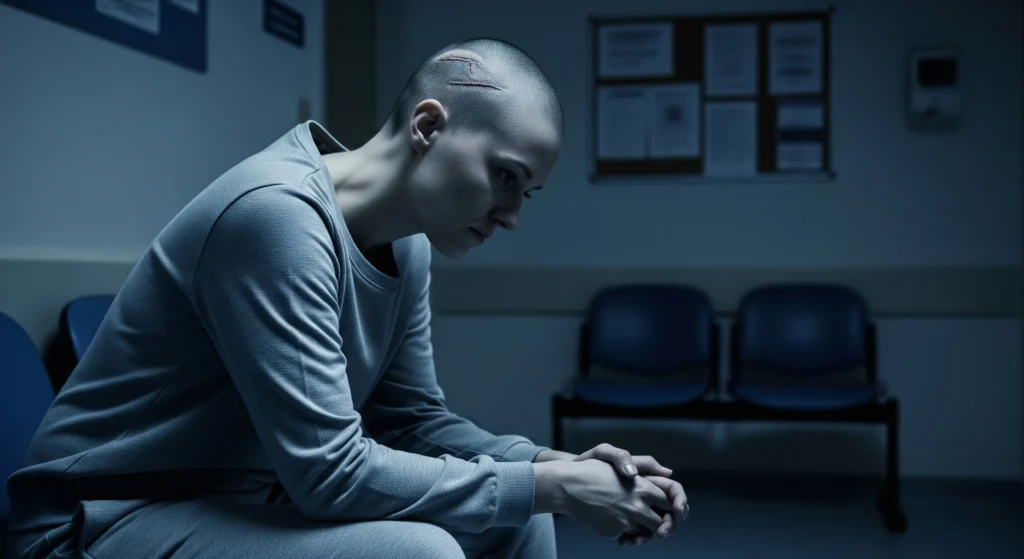
Hair loss usually starts about two or three weeks after treatment begins. If you’ve ever had a bad haircut and thought, “Well… it’ll grow back,” WBRT hair loss is trickier—sometimes it doesn’t fully return, especially with higher doses.
What to expect:
- Most people lose all their hair on the scalp
- Regrowth might come back thinner or with a totally different texture
- Permanent hair loss is more likely when radiation doses go above 30 Gray
How to cope like a pro:
- Get a shorter haircut beforehand so the change feels less dramatic
- Try out wigs, scarves, or hats early—make it fun if you can
- Use gentle, fragrance-free shampoo and conditioner
- Wear SPF 30+ because your scalp suddenly becomes a sun magnet
Scalp Irritation and Skin Changes
Your scalp and the area around your ears may get red, itchy, or feel tender—as if your skin suddenly became extra dramatic. This usually gets worse near the end of treatment and then improves over time.
Skin care tips:
- Wash gently using mild, unscented products
- Keep water warm, not hot—your skin will thank you
- Moisturize with products approved by your radiation team
- Skip tight hats that rub or irritate
- Put hair dyes or perms on pause
Nausea and Vomiting
Some patients feel nauseous during WBRT—though it’s usually milder than chemo nausea. Radiation can irritate parts of the brain that control your “uh-oh, I feel sick” reflex.
What really helps:
- Take anti-nausea meds as prescribed—timing matters
- Eat small meals throughout the day instead of big ones
- Avoid strong smells, greasy foods, or anything too sugary
- Sip on clear liquids to stay hydrated
- Ginger or peppermint tea can work wonders
Headaches
Headaches happen because the brain can swell a little during treatment. Doctors usually prescribe corticosteroids to help with this. Most headaches are manageable—but some are red flags you shouldn’t ignore.
Get help right away if you have:
- A sudden or severe headache
- Headaches with vision changes, seizures, or confusion
- Pain that doesn’t improve with medication
- Worsening symptoms despite treatment
Intermediate Side Effects (Weeks to Months)
Cognitive Changes
Cognitive changes—the brain’s version of “loading… please wait”—can show up weeks to months after treatment. For many patients, this is one of the scariest parts of WBRT. These changes might include:
- Memory issues, especially forming new memories (like forgetting where you just put your phone… again)
- Trouble concentrating or staying focused
- Slower thinking or reaction times
- Difficulty multitasking or planning ahead
Research from the Journal of Clinical Oncology shows that 50–90% of patients experience some level of cognitive decline in the first year after WBRT. That sounds like a huge number, but remember: the severity varies a lot. Some people notice only small changes; others feel more affected.
Cognitive preservation strategies:
- Try brain games, puzzles, or apps that make your brain work (think: mental gym time)
- Stay socially active—conversations are great brain food
- Use planners, lists, and phone reminders; even pros rely on these
- Ask your oncologist about medications like memantine that protect brain function
- Explore cognitive rehab therapy—it’s like physical therapy, but for your mind
Hearing Changes
Radiation can sometimes bother the inner ear, causing hearing loss or tinnitus (that annoying ringing sound you hear when the world is quiet). These changes usually sneak up over months, not days.
Protective measures:
- Get a hearing test before treatment starts so you have a clear baseline
- Schedule follow-up tests to catch changes early
- Avoid loud noises—your ears will be extra sensitive
- If hearing loss happens, don’t hesitate to discuss hearing aids or support options
Hormonal Imbalances
Your pituitary gland—the tiny “boss” at the base of your brain—helps control many hormones in your body. Radiation can sometimes irritate it, leading to hormonal changes months or even years later.
Common hormonal issues:
- Hypothyroidism (your thyroid goes on slow mode)
- Growth hormone deficiency
- Adrenal insufficiency
- Changes in reproductive hormones
Monitoring recommendations:
- Get regular blood tests to keep an eye on hormone levels
- Meet with an endocrinologist if anything seems off
- Use hormone replacement therapy if your doctor recommends it—it can make a huge difference
Long-Term and Late Side Effects
Leukoencephalopathy
Leukoencephalopathy might sound like a word from a sci-fi movie, but it’s a real condition where the brain’s white matter—basically the “wiring system” that helps different parts talk to each other—gets damaged. It can show up months or even years after WBRT. Symptoms can include worsening memory, trouble walking, or even losing bladder control.
According to neuro-oncology research, this happens more often with higher radiation doses or when radiation is paired with certain chemo drugs. It’s not super common—around 5–10% of long-term survivors—but it is one of the more serious long-term complications.
Risk factors:
- Higher total radiation doses
- Being older at the time of treatment
- Getting chemo alongside radiation
- Having vascular (blood vessel) issues beforehand
Radiation Necrosis
Radiation necrosis happens when small blood vessels in the brain get hurt from radiation, leading to an area of brain tissue dying. I know—that sounds harsh. It usually shows up 6 months to several years after treatment.
Distinguishing features:
- It can look exactly like a tumor coming back on scans (which makes doctors double-check with special imaging)
- Symptoms depend on where it happens—kind of like how a broken traffic light affects the part of town it’s in
- Treatment might include steroids, a drug called bevacizumab, or surgery for serious cases
Increased Stroke Risk
Some studies show that people who get brain radiation have a higher chance of developing a stroke later on. Why? Radiation can irritate or damage blood vessels, and unhappy blood vessels mean a higher stroke risk over time. But the good news: there are plenty of ways to reduce those risks.
Prevention strategies:
- Keep heart-related risk factors under control
- Manage blood pressure, cholesterol, and blood sugar
- Avoid smoking and keep alcohol moderate
- Eat in a way your heart would high-five you for
- Stay active
- Keep showing up to follow-up appointments—boring, but important
Secondary Brain Tumors£
This one sounds scary but is very rare. Because radiation affects both healthy and unhealthy cells, there’s a tiny chance it may cause a new brain tumor years or even decades later. This risk is highest for patients who received WBRT at a younger age.
Quality of Life Considerations
WBRT doesn’t just affect the body—it can shake up your emotions, your confidence, your relationships, and even how independent you feel. In fact, a study in the Journal of Neuro-Oncology found that many people noticed a dip in their quality of life afterward, especially when it came to brain fog and extreme tiredness. It’s like your mind and body both say, “Hey, we’re doing our best here… but wow, this is tough.”
Strategies for maintaining quality of life:
- Tell your healthcare team what you’re feeling—don’t try to “tough it out”
- Talk to a counselor or join a support group (sometimes sharing feels like lifting a giant weight off your chest)
- Keep doing things you enjoy, even in tiny doses
- Celebrate the small wins—like getting out of bed on a rough day
- Bring family into the loop; this journey is easier when no one walks it alone
Emerging Treatments and Protective Strategies
Medical research continues to explore ways to make WBRT safer and less overwhelming—kind of like upgrading the treatment so the “side-effect monsters” aren’t as loud.
Hippocampal-Sparing WBRT
This newer technique avoids blasting the hippocampus—the tiny brain area that helps you remember everything from passwords to where you left your shoes. Studies show it helps protect memory better than old-school methods.
Memantine
This medication was first designed for Alzheimer’s, but it’s become a bit of a superhero for WBRT patients. Research shows it can help delay or reduce memory problems when taken during and after treatment.
Stereotactic Radiosurgery Alternatives
If a patient has only a few brain tumors, doctors might use SRS instead of full-brain radiation. It’s like using a laser pointer instead of a flashlight—more precise, fewer side effects.
When to Contact Your Healthcare Team
Some symptoms are big red flags, the kind you don’t ignore ever. Call your medical team right away if you experience:
- A severe headache that laughs in the face of medication
- Sudden vision changes
- Seizures
- Major confusion
- Weakness or numbness in your face, arm, or leg
- Trouble speaking or understanding people
- Losing balance like you suddenly forgot how walking works
- A fever over 100.4°F (38°C)
Conclusion
Whole brain radiation therapy is still an important tool for treating brain tumors, but it definitely comes with its own mix of challenges—from small annoyances to serious long-term effects. The more you understand these possibilities, the better prepared you are to spot issues early and get the right help.
Everyone’s experience is different. Some people breeze through with only mild bumps, while others deal with tougher symptoms. That’s why staying close with your healthcare team, asking questions, and speaking up about anything that feels “off” is so important.